Banister Sanding in Overland Park, KS
Banister sanding services involve the careful smoothing and refinishing of wooden floors, stairs, and other surfaces to restore their natural beauty and durability. This process typically includes removing existing finish, sanding away imperfections, and preparing the surface for a new coat of stain or sealant. Homeowners often request this service for projects such as restoring worn hardwood floors, refinishing stairs, or preparing surfaces for new flooring installations. Before requesting sanding services, property owners usually want to understand the scope of work, the types of finishes that can be applied afterward, and any necessary preparation steps to ensure a smooth and effective process.
Property owners should consider the condition of their existing flooring, including any damage or uneven areas that might require additional repairs before sanding. It’s also helpful to know the differences between various sanding grits and finishes to achieve the desired look and protection. Clarifying whether the service includes dust containment or specific surface treatments can help ensure the project meets expectations. Proper planning and understanding of the process can lead to a more successful refinishing project that enhances the property's appearance and longevity.
Many property owners in Overland Park, KS look into Banister Sanding for repairs, replacements, upgrades, and appearance-related improvements.
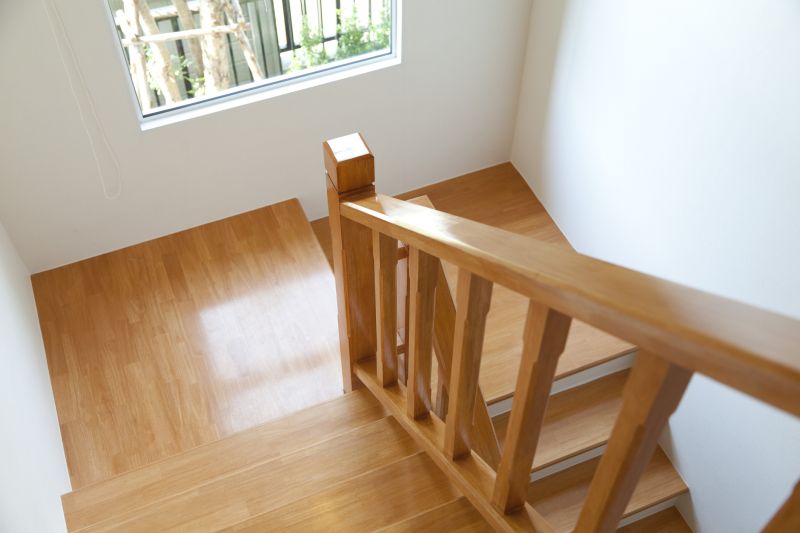
Restoring Hardwood Floors
Banister sanding can refresh worn or damaged hardwood surfaces in residential and commercial spaces.
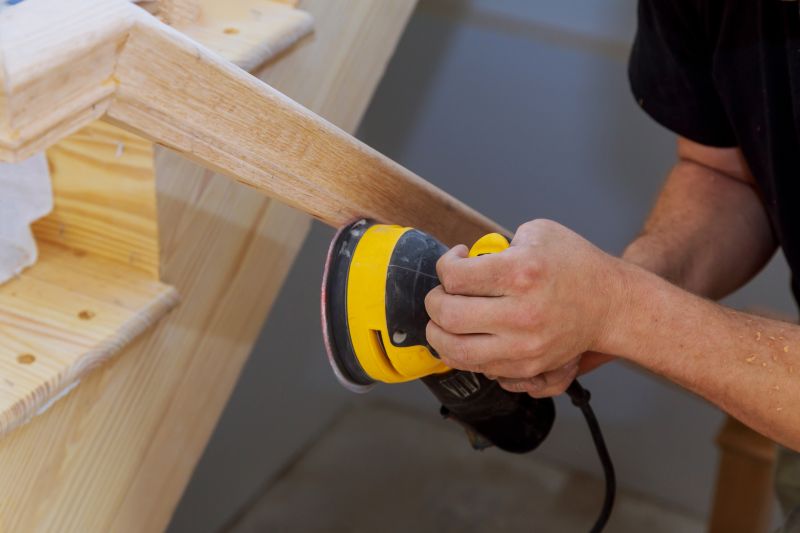
Preparing For Refinishing
Sanding prepares surfaces for staining or sealing to achieve a smooth, uniform finish.
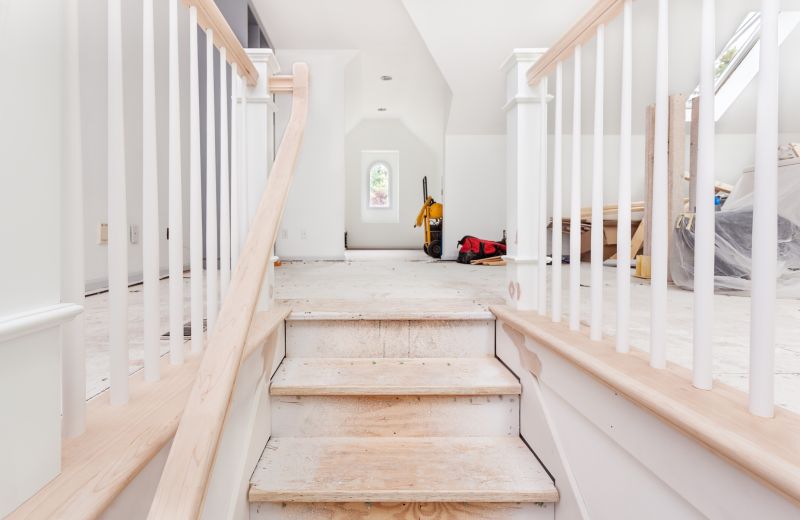
Enhancing Property Value
Proper sanding and finishing can improve the appearance and durability of floors in overland park homes.
Banister Sanding in Overland Park, KS
Banister sanding services involve the careful smoothing and refinishing of wooden floors, stairs, and other surfaces to restore their natural beauty and durability. This process typically includes removing existing finish, sanding away imperfections, and preparing the surface for a new coat of stain or sealant. Homeowners often request this service for projects such as restoring worn hardwood floors, refinishing stairs, or preparing surfaces for new flooring installations. Before requesting sanding services, property owners usually want to understand the scope of work, the types of finishes that can be applied afterward, and any necessary preparation steps to ensure a smooth and effective process.
Property owners should consider the condition of their existing flooring, including any damage or uneven areas that might require additional repairs before sanding. It’s also helpful to know the differences between various sanding grits and finishes to achieve the desired look and protection. Clarifying whether the service includes dust containment or specific surface treatments can help ensure the project meets expectations. Proper planning and understanding of the process can lead to a more successful refinishing project that enhances the property's appearance and longevity.
Many property owners in Overland Park, KS look into Banister Sanding for repairs, replacements, upgrades, and appearance-related improvements.
Common Banister Sanding Jobs
Wood flooring - restores the smooth, even surface of hardwood floors for a fresh appearance.
Vintage or antique floors - enhances character by carefully sanding and refinishing aged wood surfaces.
Commercial spaces - improves durability and appearance of flooring in retail or office environments.
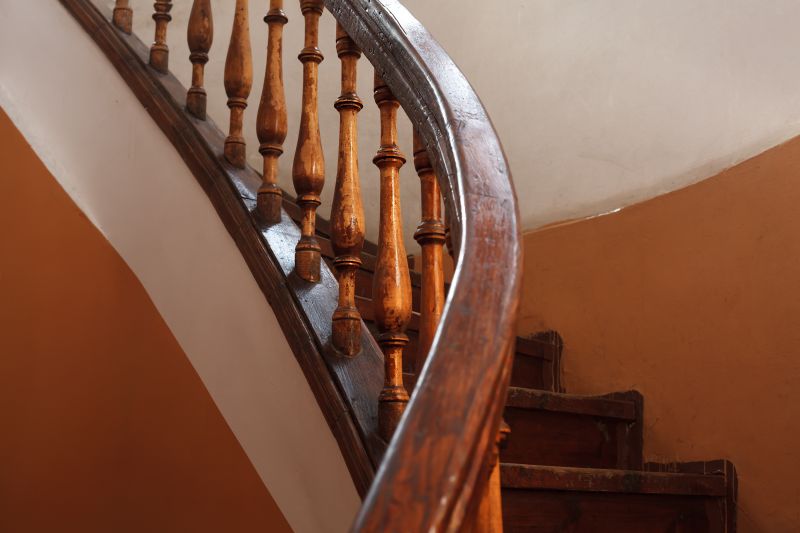
Staircases and landings - refines surfaces to prevent splinters and improve safety.
Furniture restoration - prepares wooden furniture for refinishing or re-staining projects.
Floor repair prep - removes surface imperfections to prepare for staining or sealing.
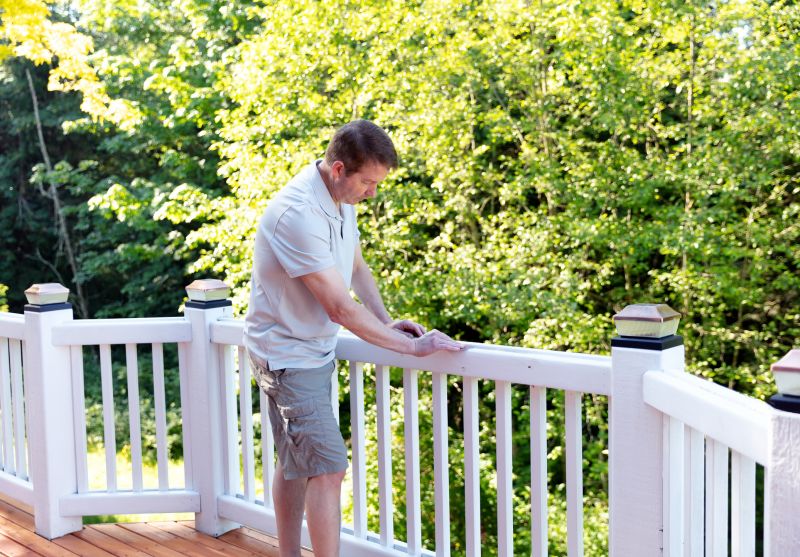
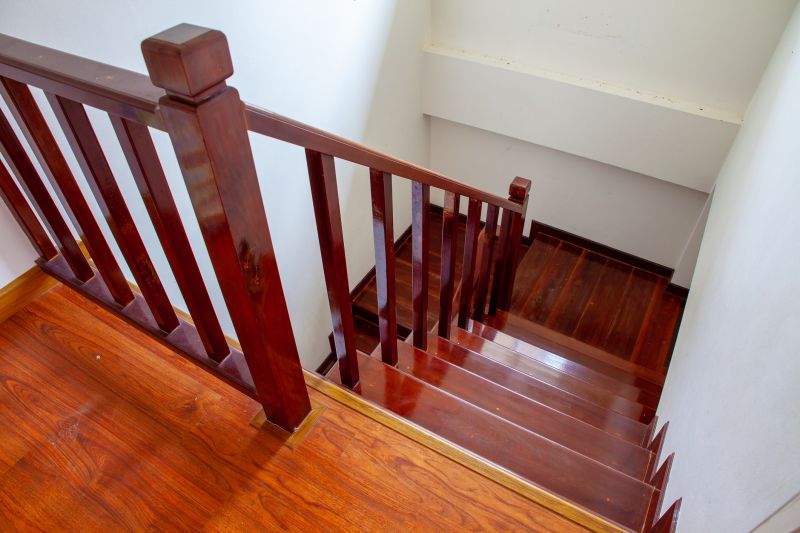
Banister Sanding Questions
What types of floors can be sanded? Sanding services are suitable for hardwood, softwood, and certain engineered floors to restore their appearance and smoothness.
How often should hardwood floors be sanded? Typically, hardwood floors can be sanded every 10 to 15 years, depending on wear and tear.
What is the purpose of sanding a floor? Sanding removes surface imperfections, scratches, and old finishes, preparing the floor for a new coat of stain or sealant.
Are floor sanding services suitable for renovation projects? Yes, sanding is commonly requested during renovations to refresh and update the look of existing flooring.
Request Banister Sanding in Overland Park, KS
Use the quote form on this page to share the basics of your project and request more information for the type of work you need.